Poor circulation in the feet occurs when blood flow to the lower extremities is reduced, making it harder for oxygen and nutrients to reach the tissues. People may notice coldness, numbness, tingling, cramping, or skin that appears pale or discolored. Common causes include diabetes, peripheral artery disease, smoking, high blood pressure, and prolonged sitting or standing. Aging can also affect circulation, especially when combined with reduced activity levels or underlying medical conditions. Improving circulation often involves consistent movement throughout the day. Walking, ankle rotations, and gentle stretching help activate the muscles that support blood flow. Elevating the feet when resting, maintaining healthy hydration, and wearing shoes that do not restrict the forefoot or ankle can also be beneficial. Addressing chronic conditions and avoiding tobacco play an important role in long-term improvement. If foot circulation problems persist, it is suggested that you see a podiatrist for a proper diagnosis and appropriate treatment.
While poor circulation itself isn’t a condition; it is a symptom of another underlying health condition you may have. If you have any concerns with poor circulation in your feet contact one of our podiatrists of Metro Foot & Ankle. Our doctors will treat your foot and ankle needs.
Poor Circulation in the Feet
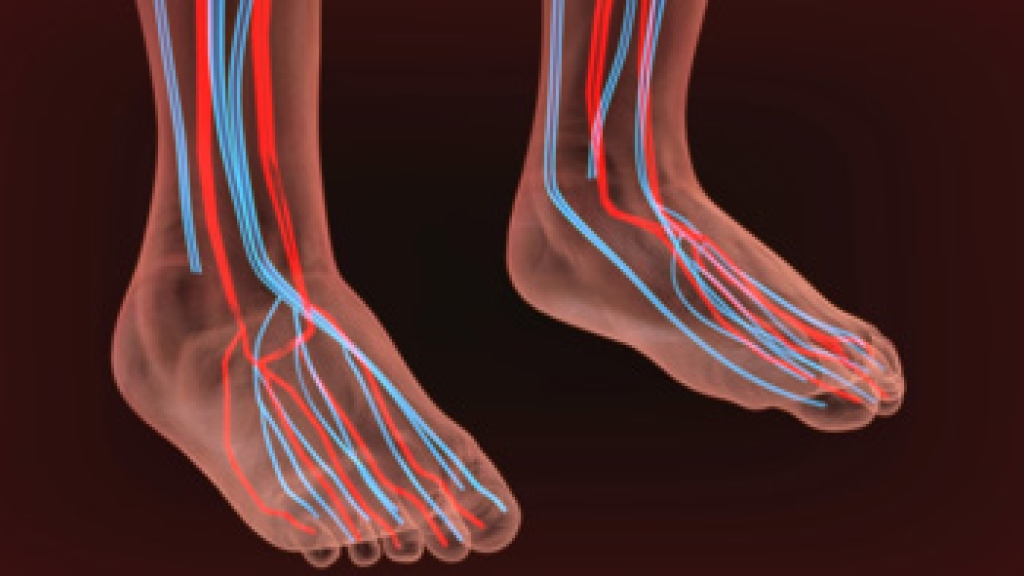
Peripheral artery disease (PAD) can potentially lead to poor circulation in the lower extremities. PAD is a condition that causes the blood vessels and arteries to narrow. In a linked condition called atherosclerosis, the arteries stiffen up due to a buildup of plaque in the arteries and blood vessels. These two conditions can cause a decrease in the amount of blood that flows to your extremities, therefore resulting in pain.
Symptoms
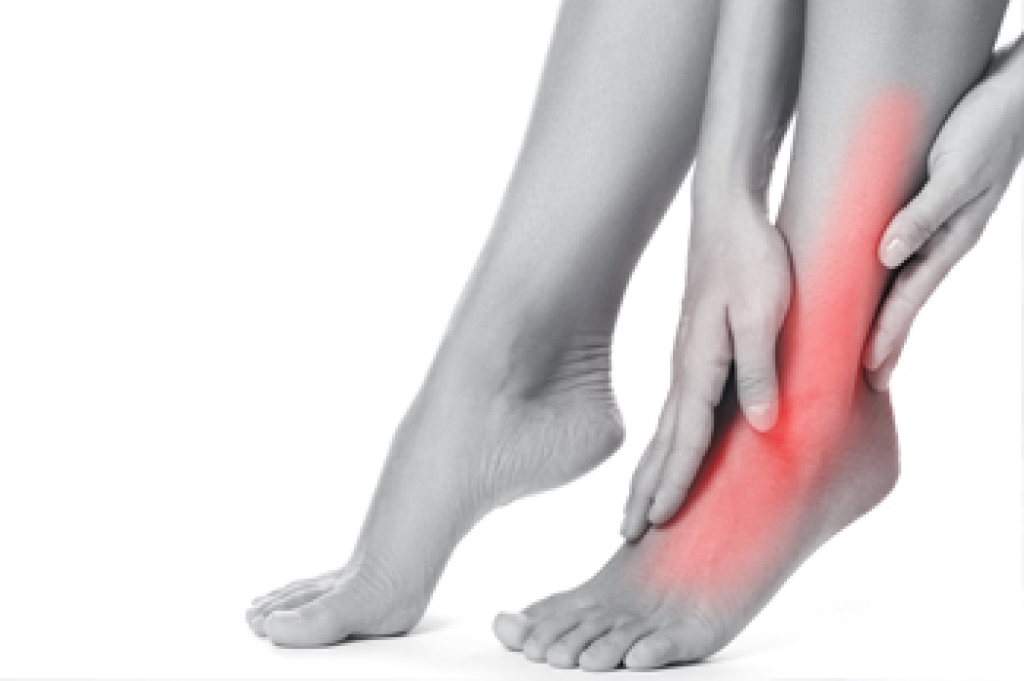
Some of the most common symptoms of poor circulation are:
- Numbness
- Tingling
- Throbbing or stinging pain in limbs
- Pain
- Muscle Cramps
Treatment for poor circulation often depends on the underlying condition that causes it. Methods for treatment may include insulin for diabetes, special exercise programs, surgery for varicose veins, or compression socks for swollen legs.
As always, see a podiatrist as he or she will assist in finding a regimen that suits you. A podiatrist can also prescribe you any needed medication.
If you have any questions, please feel free to contact our office located in Tempe, AZ . We offer the newest diagnostic and treatment technologies for all your foot care needs.