
By Dr. Kayla Wright, DPM
The answer starts with the cause of the pain. A prescription insert can be useful when it addresses a specific pressure or support problem. It is not automatically necessary because you have heel pain, and a higher price does not guarantee a better result.
What makes an orthotic custom?
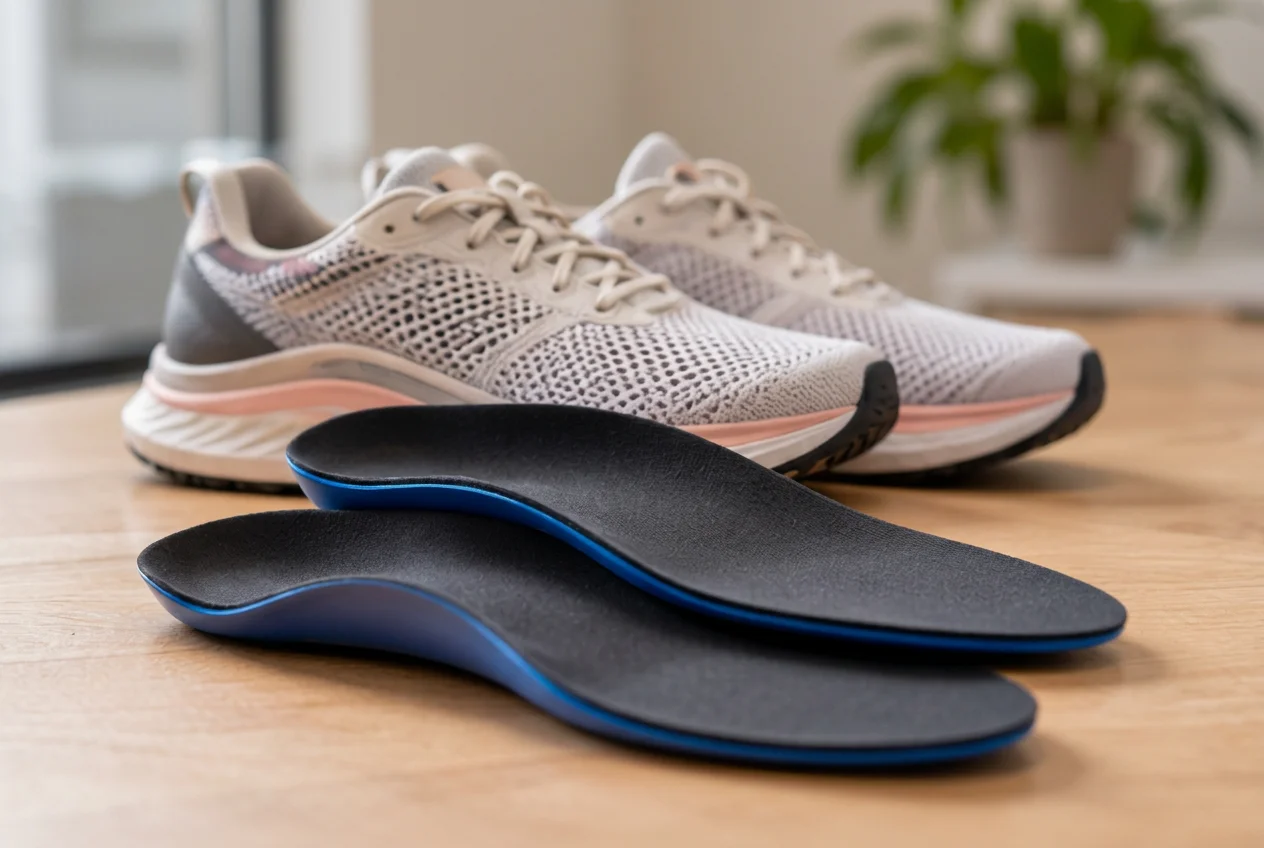
A custom orthotic is prescribed for an individual foot and treatment goal. Depending on the problem, it may provide support, redistribute pressure or accommodate a sensitive area. At Metro Foot & Ankle, the decision follows an evaluation of your symptoms, foot structure, footwear, activities and weight-bearing function. Learn more about custom orthotics in Tempe.
That evaluation matters more than simply obtaining a scan or an impression. An insert that fits the outline of your foot still needs to address the reason it hurts.
Are custom orthotics better than store-bought inserts?
Not in every situation. Research on plantar heel pain does not show a consistent advantage for custom devices over prefabricated orthoses. A suitable prefabricated option may be reasonable for some people; others need features tailored to their foot structure or pressure pattern.
For plantar fasciitis, orthoses are generally considered alongside measures such as stretching, footwear changes and activity adjustments. They should not be presented as a complete treatment plan by themselves. The 2023 plantar heel pain guideline (opens in a new tab) supports using orthoses with other appropriate treatments.
When might a custom device be worth discussing?
An evaluation is useful when symptoms repeatedly interrupt your work, walking or exercise, or when you have tried inserts without understanding why they did not help. Tell the clinician what improved, what stayed the same and whether the insert created new pressure.
The appointment can explore whether a device has a clear job: supporting a painful arch, reducing pressure beneath the forefoot or accommodating an area that does not tolerate ordinary shoe contact. Conditions such as symptomatic flat feet or high arches may influence that discussion, but foot shape alone does not determine the prescription.
Shoes are part of the decision
Bring the shoes you wear most often and any inserts you already use. Explain whether the problem occurs in work shoes, running shoes, sandals or several different pairs. Ask how a proposed device would fit your actual footwear and what changes may be needed.
A practical plan should also explain how to introduce the device, what discomfort should prompt a call and how follow-up or adjustments are handled.
Questions to ask before ordering
- What diagnosis or pressure problem would this device address?
- Would a prefabricated insert be a reasonable alternative?
- What else belongs in my treatment plan?
- How will we judge whether the device is helping?
- What are the cost, coverage and adjustment arrangements for my situation?
Can orthotics permanently fix my arches?
No. They do not permanently reshape the bones of the foot. Their purpose is support or symptom management when appropriate, rather than a promise to rebuild an arch.
Take the next step
If heel pain or foot fatigue keeps returning, Dr. Kayla Wright, DPM, can evaluate the cause and discuss whether an insert, another treatment or a combination makes sense. Request an appointment at Metro Foot & Ankle or call 480-831-0700 (opens in a new tab).